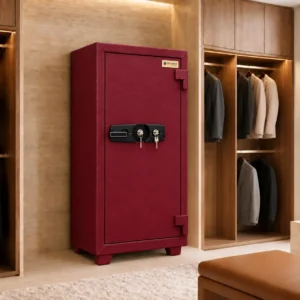
A jewelry showroom can lose far more than a single item when security breaks down. A rushed opening routine, an unsecured repair tray, a display case left open during a customer conversation, or a key controlled by too many people can create an expensive exposure. Effective jewelry showroom security planning protects high-value inventory while helping staff serve customers with confidence.
The right approach is not simply buying a safe or installing cameras. A showroom needs layers that work together: controlled entry, visible deterrence, secure displays, protected back-office storage, accountable staff procedures, and a clear response when something does not look right. Each layer should reduce the pressure on the next.
Start Jewelry Showroom Security Planning With Risk Mapping
Begin by following the path of every valuable item through the business. Consider delivery, receiving, tagging, display, customer handling, repairs, cleaning, end-of-day storage, and transfers to off-site service providers. The areas where inventory changes hands are often where control is weakest.
Walk the premises at opening and closing times. Look for blind spots, side entrances, service doors, unsecured stockrooms, glass-front vulnerabilities, and areas where employees may be working alone. Also review the route between the showroom floor and the secure storage area. A short, visible route with controlled access is safer than moving trays through open workspaces or public corridors.
Risk mapping should also identify who has access to what. Not every employee needs access to the safe, stockroom, alarm controls, keys, master codes, or receiving area. Access should match job responsibilities, with management approval for exceptions.
Build Security in Layers, Not Around One Product
A burglary-resistant safe is central to showroom protection, but it cannot compensate for weak daily procedures. The most dependable security plans combine physical barriers, monitoring, and accountability.
A practical showroom layout separates public space from controlled space. Customers should have a clear, welcoming sales area, while inventory storage, repair operations, cash processing, and security controls remain outside public access. Use locked doors, access-controlled staff areas, and protected counters to establish that separation without making the showroom feel uninviting.
Your layered plan should address four areas:
- Customer-facing protection, including secure display cases, controlled access points, and visible surveillance.
- Inventory protection, including locked stockrooms, jewelry safes, restricted keys, and documented item movement.
- Cash and document protection, including deposit safes, secure cash-handling procedures, and fire-resistant filing for business records.
- Operational protection, including staff training, alarm response, opening and closing controls, and regular audits.
The balance depends on the showroom. A small boutique with appointment-based sales may prioritize controlled entry and staff supervision. A busy retail location with heavy foot traffic may require stronger counter barriers, more cameras, and tighter control over high-value pieces displayed during peak hours.
Choose Secure Storage for the Real Threat
Jewelry inventory should be stored in a safe designed for burglary protection, not just a lightweight cabinet or a basic office safe. The safe should match the value and volume of stock, the risk profile of the location, and the way the business operates after hours.
Consider the safe’s burglary rating, construction, locking system, internal capacity, and anchoring requirements. A safe that is too small encourages unsafe practices such as leaving overflow stock in display cases, drawers, or unsecured back-room cabinets. Internal drawers, compartments, and jewelry trays can help organize stock and reduce the chance of items being misplaced during counting.
Lock selection requires a business decision. Mechanical combination locks reduce reliance on batteries and electronics, while electronic locks can simplify code changes and support better access control. Multiple-user access, time delay features, dual control, and audit trails may be valuable for larger operations. The best choice depends on the number of authorized users, shift patterns, and whether management needs a record of safe access.
The safe must also be installed correctly. Placement should limit visibility from public areas and avoid isolated locations that make staff vulnerable during opening or closing. Anchoring is often essential. A secure safe that can be removed from the premises is not providing full protection.
For premium collections or high-value reserve inventory, a customized luxury jewelry safe may be appropriate. The goal is not appearance alone. Proper interior organization, controlled access, and capacity for daily stock handling help keep valuable pieces secure and easy to account for.
Control Display Cases and Customer Handling
Display security should allow attentive selling without creating opportunities for distraction theft. Cases should remain locked whenever staff are not actively removing or returning merchandise. Keep keys and remote controls on the assigned employee, not on counters, in drawers, or in shared locations.
Establish a simple handling rule: remove only the items needed for the current presentation, and return them before bringing out additional pieces. This is especially important when several customers are being served at once. High-value items should be handled in a defined sales area where cameras and staff have clear sightlines.
Avoid creating clutter behind counters. Packaging, repair envelopes, sales paperwork, and cleaning materials can conceal small items or make accurate visual checks more difficult. Organized work surfaces support both security and service quality.
At the end of each day, staff should verify that each case is empty or that any approved overnight display arrangement is documented. In most cases, high-value jewelry belongs in secure storage, not behind glass after closing.
Make Opening and Closing Procedures Non-Negotiable
The first and last 30 minutes of the business day carry elevated risk. Staff are moving inventory, opening doors, disabling alarms, processing cash, and often working with fewer people present. Written procedures remove guesswork.
Opening should be completed by at least two authorized employees when practical. One person can check the entrance and showroom condition while the other verifies alarms, cameras, and secure storage. Any sign of forced entry, an unsecured door, missing inventory, or an unexpected change in the premises should trigger a pause. Staff should not enter further or begin normal operations until the issue is assessed according to the company’s response plan.
Closing requires the same discipline. Reconcile inventory movement, return jewelry to the safe, secure cash, check display cases, clear work surfaces, lock restricted areas, confirm alarm activation, and document completion. A two-person verification for the safe and final lockup reduces errors and discourages internal theft.
Do not allow closing routines to become informal because the team is tired or the showroom is quiet. Consistency is what makes a procedure protective.
Use Cameras, Alarms, and Lighting as Working Tools
Security technology is most useful when it supports real operations. Cameras should cover entrances, sales counters, display cases, transaction points, stockroom doors, safe areas, and exterior approaches. Camera placement should allow identification, not just general activity recording.
Test footage quality under daytime, evening, and low-light conditions. A camera that captures glare from display lighting or only the top of a person’s head may not support an investigation. Keep recording equipment protected from tampering and make sure authorized managers know how to retrieve footage quickly.
Intrusion alarms should protect external doors, service entries, stockrooms, and the safe area. Panic alarms or discreet alert devices can help staff request assistance during a threatening encounter without escalating the situation. Exterior lighting also matters. Well-lit entrances, parking areas, and delivery zones discourage concealment and help cameras record usable images.
Technology needs maintenance. Assign responsibility for checking camera views, alarm status, battery alerts, and access credentials. A device that has been offline for weeks is not a security layer.
Protect Cash, Repairs, and Business Records
Jewelry security is not limited to merchandise. Daily cash takings, customer repair items, appraisal records, supplier invoices, and identification documents can all create financial and reputational risk.
Use a deposit safe or controlled cash drop process so cash does not remain in registers or office drawers. Limit who can count cash, investigate differences promptly, and avoid predictable bank deposit routines. For larger cash volumes, banknote counters and counterfeit detectors can improve accuracy and reduce exposure during reconciliation.
Repairs need their own chain of custody. Record the item condition, photographs when appropriate, customer details, date received, and every employee or vendor transfer. Store repair items separately from sale inventory, preferably in a locked area or designated safe compartment. This prevents mix-ups and makes every movement traceable.
Business records should be protected from both theft and fire. Fire-resistant filing cabinets and secure document storage can safeguard contracts, insurance documents, warranty records, and customer information that should not remain exposed in ordinary office furniture.
Train Staff for Calm, Consistent Decisions
Employees are a showroom’s strongest daily security control when they know exactly what to do. Training should cover customer engagement, display-case discipline, suspicious behavior, safe access, key control, cash handling, alarm procedures, and incident reporting.
Staff should never be expected to physically confront a suspected thief or intruder. Their role is to protect people first, observe carefully, use available alert procedures, and provide accurate information to management and authorities. A clear policy removes the pressure to make unsafe decisions in the moment.
Review access whenever an employee changes roles or leaves the company. Change codes, collect keys, remove access credentials, and update authorized-user lists immediately. Delays in this area create preventable risk.
Review the Plan Before an Incident Tests It
Security planning should be reviewed after a layout change, a major inventory increase, a staffing change, a break-in attempt, or any incident involving missing stock or procedural failure. Even a minor discrepancy can reveal a larger weakness in documentation, access control, or supervision.
Schedule periodic inventory checks that compare physical pieces with sales and stock records. Review camera coverage after changing displays or furniture. Test whether employees can follow opening, closing, and emergency procedures without relying on memory or informal shortcuts.
A secure showroom is built through daily control, not one-time purchases. Select the right safe, organize inventory movement, train the team, and maintain procedures that protect what matters most. When your operation needs specialized jewelry storage, cash protection, or secure workplace equipment, Safe World UAE can help you choose practical protection for the way you work.