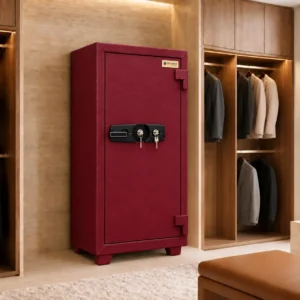
A deposit safe is not simply a place to store cash. It is a control point for businesses that receive payments throughout the day but cannot move funds to a main safe, cash office, or bank immediately. This deposit safe buying guide helps retailers, restaurants, hospitality teams, offices, and service counters select a unit that protects daily receipts without slowing down normal operations.
The right choice depends on what is being deposited, who handles it, how often deposits are made, and where the safe will be installed. A compact unit may suit a small reception desk. A busy retail branch may require a larger, securely anchored deposit safe with a specialized drawer or slot for envelopes, cash bags, and documents.
Start With Your Daily Cash-Handling Process
Before comparing locks or exterior dimensions, map the path of cash in your workplace. Consider where money is collected, when staff need to deposit it, and who is authorized to access the safe’s secure compartment. The purpose of a deposit safe is to separate deposit activity from cash retrieval. Staff can place money inside during a shift, while access to stored contents remains restricted to designated managers or finance personnel.
This is especially useful when several employees work across different shifts. A cashier should not need access to accumulated deposits simply to secure a single cash envelope. In the same way, a hospitality front desk may need to secure payments at any hour without giving every team member access to the safe interior.
Consider the types of items you will deposit. Cash, checks, payment slips, keys, receipts, and small documents all need different opening sizes and deposit methods. If staff deposit sealed envelopes or cash bags, measure them before selecting the deposit slot or drawer. A safe that accepts folded notes but not your standard deposit envelope will create avoidable delays.
Choose the Right Deposit Method
Deposit safes are available with different intake designs. The best option should make authorized deposits quick while minimizing opportunities for stored items to be reached through the opening.
A deposit slot is generally suitable for flat items such as cash, checks, receipts, and documents. It is practical for offices, reception areas, and low-volume retail counters where deposits are usually placed in envelopes.
A rotary drum or hopper-style deposit system is better suited to cash bags, thicker envelopes, and frequent deposits. The user places the item into the compartment, closes it, and turns or operates the mechanism to transfer the item into the secured interior. This format can support active cash-handling environments because it accommodates larger deposit items than a narrow slot.
Deposit drawers are often selected for higher-volume operations or applications involving keys, remittance bags, paperwork, and larger envelopes. They can be more convenient for staff, but the drawer size, internal clearance, and anti-fishing design should be reviewed carefully.
The practical question is simple: can your team deposit what they need to secure without forcing items, leaving them at the counter, or using an alternative container? Select the deposit method based on your actual workflow, not only the safe’s external appearance.
Select a Lock That Matches Access Responsibility
The lock determines how the secure compartment is accessed, so it should reflect your staffing structure and internal controls. There is no single best lock for every operation.
A key lock can suit a small business with one or two authorized custodians. It is straightforward, but keys must be controlled carefully and stored separately from the safe area. If keys are shared informally or left on site, the security benefit is weakened.
An electronic keypad lock is a practical option for many businesses because it can reduce dependence on physical keys and support controlled access by authorized personnel. It is a sensible choice where managers need efficient access during opening or closing procedures. Confirm the lock type, battery arrangement, audit features where available, and the process your organization will use to manage authorized codes.
For larger teams or higher-risk cash environments, look for lock configurations that support stronger accountability. Depending on the model, this may include dual-control arrangements, time-delay functions, or access records. These features should be chosen because they support a real operational requirement, not simply because they add complexity.
A useful rule is to limit access to the smallest practical number of responsible people. Deposit access can be broad enough for daily operations, while retrieval access should remain tightly controlled.
Assess Security Construction, Not Just Size
A deposit safe should be evaluated as a security product first. Look at the body construction, door thickness, locking bolts, hinges, and the design of the deposit entry. A well-built safe should resist forced attack and protect the contents from unauthorized access through the deposit mechanism.
For many commercial users, anchoring is just as important as the safe itself. A portable safe can be removed from the premises, turning a strong door into a limited defense. Choose a model designed for secure floor or wall anchoring where appropriate, and plan installation before delivery.
The installation surface matters. Concrete flooring typically provides a stronger anchoring base than lightweight partitions or raised flooring systems. A qualified installation assessment can identify practical restrictions such as floor access, wall construction, door swing clearance, and the route needed to move the safe into position.
Do not place a deposit safe where it is highly visible to every visitor if a more controlled location is available. At the same time, avoid a position that makes staff feel unsafe when making deposits. The best location is usually accessible to authorized employees, discreet from public view, covered by appropriate workplace supervision, and suitable for secure anchoring.
Size the Safe for Storage, Not Only Deposits
The opening needs to fit the deposited items, but the internal capacity must also support the time between collections. Estimate your busiest day rather than an average day. Seasonal promotions, weekends, events, and holiday trading can quickly increase cash volume.
A safe that becomes full before the end of a shift can lead to poor habits, including leaving cash in drawers, desks, or unsecured bags. Select enough internal capacity for your collection schedule and expected peak volume. If deposits are collected daily, a smaller capacity may be sufficient. If a manager retrieves deposits less frequently or multiple departments use the same safe, additional space becomes necessary.
Also consider the physical space around the unit. Allow room for the door to open fully, for staff to use the deposit mechanism comfortably, and for authorized personnel to remove stored items without obstruction. Measure doorways, elevators, corridors, and service entrances before ordering a larger model.
Consider Fire Protection Separately
Burglary resistance and fire protection are different requirements. A deposit safe designed primarily for cash security may not provide the level of fire resistance needed for paper records, contracts, or backup media.
If your operation deposits documents alongside cash, determine whether those documents are essential to business continuity. For critical records, a dedicated الخزنة المقاومة للحريق or fire-resistant filing cabinet may be the better solution. This approach allows you to protect daily cash handling and document retention without forcing one product to perform two specialized roles.
For offices that manage invoices, signed forms, licenses, personnel files, or legal records, separating cash security from document protection can also improve organization. It gives finance teams and administrative departments a clearer custody process.
Plan the Operating Rules Before Delivery
A deposit safe works best when the team knows exactly how it fits into daily procedures. Decide who can deposit funds, who can retrieve them, how deposits are recorded, and when the contents are reconciled. These are management controls, but the safe should support them rather than complicate them.
Create a clear handover process for shift changes. A deposit log, cash bag numbering system, or reconciliation routine can provide accountability without exposing stored cash to unnecessary handling. The right process depends on your business size, transaction volume, and existing finance controls.
For multi-site operators, standardizing the safe type and deposit process can make training easier. It also gives managers a consistent approach when reviewing branch operations, replacing staff, or expanding into new locations.
أسئلة يجب طرحها قبل الشراء
Confirm whether the safe accepts your standard cash bags or envelopes, whether the installation location can be securely anchored, and whether the internal capacity suits your busiest operating period. Ask about the lock configuration, external dimensions, door swing, weight, and delivery access. These details prevent a safe from arriving that fits your security needs on paper but not your premises in practice.
Safe World UAE can help businesses and property owners match deposit-safe capacity, deposit style, and installation requirements to their daily security routine. Choose a model that lets staff secure funds quickly, keeps retrieval authority controlled, and gives management confidence at every close of business.