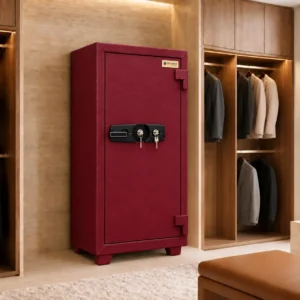
Worried about someone breaking in and walking off with your grandmother’s ring? Or maybe you’re just sick of shuffling jewelry between drawers, never quite sure where anything is. A decent Safe Jewelry Box fixes both problems at once. This guide covers the features, lock types, and sizing choices that actually matter – not the marketing fluff – so you can make a real decision today.
Why Do You Need a Dedicated Safe Jewelry Box at Home?
Jewelry isn’t just expensive. It’s often tied to memory in a way most other possessions aren’t. Toss it in a wooden drawer, though, and you’re basically betting against burglary, fire, and the occasional water leak.
A proper Safe Jewelry Box handles both problems – the physical security side and the everyday wear-and-tear side. Standard home safes weren’t built with this in mind. They’re designed for paperwork, so rings and necklaces end up loose, scratching each other, with no real padding to speak of.
What tends to go wrong without one:
- Unlocked drawers are usually the first place a burglar checks
- Loose pieces stacked together scratch and dull over time
- Metal left unsealed tarnishes faster from humidity in the air
- A house fire destroys unprotected jewelry within minutes
What Key Features Should You Look for in a Safe Jewelry Box?
This part comes down to three things: how it’s built, what’s inside it, and how it locks.
| Feature | Basic Standard | Premium Standard |
| Outer Casing | Single-plate steel wall | Multi-layered composite steel |
| Lock Type | Basic key lock | Biometric or digital keypad |
| Interior Lining | Synthetic fabric | Anti-tarnish velvet or suede |
| Fire Resistance | Non-rated steel | 60 to 120-minute heat endurance |
Locks matter more than most people realize when going in. A good safe jewelry box gives you dual options – a fingerprint scanner or keypad for quick daily use, plus a mechanical key tucked away somewhere in case the battery dies at the worst possible time.
The interior deserves just as much attention. Modular drawers, velvet-lined ring slots, hooks for necklaces, little pillows for watches – none of it sounds essential until you’ve dealt with a tangled mess of chains for the tenth time.
And then there’s fire protection, which people tend to underestimate. Better units have expanding seals around the door frame. Heat triggers them to swell up and lock out smoke before it reaches anything inside.
How Does a Safe Jewelry Box Compare to Standard Home Storage?
A regular drawer? Basically zero theft resistance, and scratches are almost guaranteed. A document safe steps things up on the steel front, but the inside is usually cramped and unpadded – fine for paper, not so much for rings.
A Safe Jewelry Box sits in a different category entirely. Certified security on the outside, soft anti-tarnish lining on the inside, built specifically around what jewelry needs. You’re not sacrificing easy access for protection either – good design gives you both.
Companies like Safe World UAE build these vaults with exactly this balance in mind – solid security wrapped around a velvet-lined interior that doesn’t feel clinical or cold.
What Size and Placement Work Best for Your Home Space?
Size really just depends on how much you own now, and honestly, how much you expect to own later. Buying a slightly bigger safe jewelry box than you currently need tends to save people from an upgrade two or three years down the road.
Before bolting anything down, it’s worth doing a bit of groundwork:
- Measure the closet or wall space you’re planning to use
- Check whether your floor can actually handle a heavier composite unit
- Use proper anchor bolts when mounting it, not whatever’s lying around
- Test the lock and backup key before you load anything valuable in
As for where to put it, a few spots tend to work better than others. Closets are the obvious choice – behind a clothing rack or a hidden panel keeps it out of sight. Some people prefer recessing it into a bedroom wall, tucked behind a mirror or painting. If you’re going with a heavier floor unit, anchoring it straight into the concrete foundation makes it nearly impossible for anyone to just carry it off.
How Do You Maintain Your Safe Jewelry Box for Long-Term Use?
A safe jewelry Box isn’t something you set up once and forget about entirely. A little maintenance keeps it working the way it should.
Swap out the digital lock battery once a year, ideally before it actually dies on you. Toss in a few silica gel packets to keep humidity down inside. Hinges get stiff over time too, so a bit of lubrication now and then keeps the door moving smoothly. And it’s worth changing your PIN every so often, just as a habit – keep a backup key somewhere separate from the box itself, obviously.
Conclusion
At the end of the day, protecting your jewelry comes down to a few basics done well – solid steel, a lock you actually trust, and an interior that doesn’t ruin your pieces over time. A dedicated Safe Jewelry Box handles all three. Take a look at your space, pick locking technology that fits your needs, and stop leaving your valuables to chance.
Ready to protect your collection? Explore trusted security options and find the right Safe Jewelry Box for your home today.
For more such information and updates, follow us on Facebook and Instagram. Or contact us at our WhatsApp number.
Related Blogs:
Secure Jewelry Storage Guide for Homes and Stores
Jewelry Showroom Security Planning That Works
Frequently Asked Questions
1. Can a Safe Jewelry Box protect delicate items from tarnishing?
Yes, most quality units line the interior with anti-tarnish velvet, which soaks up excess humidity and keeps gold and silver from reacting with the air around them.
2. Is a digital or mechanical lock better for a Safe Jewelry Box?
Digital and biometric locks are quicker for everyday use, no question. Still, having a mechanical backup key is worth it – batteries die at the worst times, always.
3. How do I anchor my Jewelry Box to prevent theft?
Most come with pre-drilled holes already. Grab some heavy-duty expansion bolts and secure it straight into a concrete floor or a wall stud, not just drywall.
4. What is the average fire rating needed for a Safe Jewelry Box?
Around 60 minutes at 1000°C usually covers what you’d need for a typical house fire, giving delicate gems enough time to stay protected.
5. Can I install it inside a standard wardrobe?
Sure, compact models fit fine on a reinforced closet shelf, as long as you anchor them properly to the framing behind the wardrobe panel and not just the shelf itself.