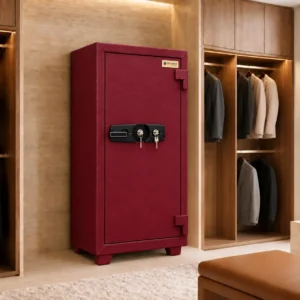
A safe that will not lock correctly, shows damage after a fire, or has an unreliable keypad creates an immediate security concern. So, can safes be repaired? In many cases, yes – but the right decision depends on the type of safe, the extent of the damage, its fire and burglary rating, and whether repair can restore dependable protection.
For homeowners, a malfunctioning safe can put passports, jewelry, legal papers, and cash at risk. For businesses, the impact can extend to daily cash control, confidential files, inventory, and compliance responsibilities. The priority is not simply getting the door working again. It is restoring secure, reliable operation without reducing the safe’s intended level of protection.
Can Safes Be Repaired After Common Problems?
Many safe issues are repairable by a qualified safe technician. Lock components, electronic controls, hinges, bolt-work mechanisms, handles, and interior fittings can often be assessed and serviced. A repair may be sensible when the safe body remains structurally sound and the fault is isolated to a replaceable or serviceable component.
Electronic lock faults are a common example. A keypad may become unresponsive, display intermittent errors, or fail to operate consistently because of age, battery-related issues, wiring concerns, or damaged internal components. Mechanical locks can also wear over time, particularly on safes that are opened frequently in retail, hospitality, and office settings.
A loose handle, damaged hinge, or sticking bolts should not be ignored. These symptoms may indicate ordinary wear, but they can also signal alignment problems or stress within the locking system. Continued use can worsen the fault and may leave the contents less protected than expected.
Repair is not always the best answer. If a safe has severe body damage, compromised door alignment, advanced corrosion, or a failed fire barrier, replacement may provide the better security outcome. A professional assessment helps distinguish between a repairable fault and a safe that can no longer be trusted with valuable property.
Fire Damage Requires a Different Decision
A fire-resistant safe is built to protect its contents for a specified period under controlled test conditions. After a real fire, that protection may be affected even if the safe appears intact from the outside.
High heat can damage door seals, insulation materials, lock components, and internal mechanisms. Water used during firefighting can create corrosion inside the safe body or around the door. The door may still open and close, but its original fire resistance may no longer be dependable.
In some situations, parts of a fire-damaged safe can be repaired or replaced. However, restoring the original certified fire rating is a more complex matter. The practical question is whether the safe can continue protecting documents, cash, digital media, or valuables at the level required. For critical records or high-value assets, replacing a fire-exposed safe is often the more responsible option.
Do not assume that a safe is fully secure simply because its contents survived one incident. Have it inspected before putting it back into service.
When Repair Makes Commercial Sense
For an office, retail store, hotel, or jewelry operation, replacing a safe can disrupt established procedures. A repair can be a practical choice where the safe is a suitable size, has the correct security rating, and remains structurally intact.
A business safe may be worth servicing when the issue is limited to the lock, keypad, handle assembly, bolt mechanism, hinge adjustment, or interior accessory. This is especially true when the safe is integrated into a cash-handling routine or installed in a fitted location where replacement requires additional site work.
Before approving a repair, consider how the safe is used. A deposit safe at a busy retail counter has different demands from a home safe opened occasionally. A hotel safe requires reliable guest operation and reset procedures. A jewelry safe may require stronger burglary resistance, specialized internal storage, and a lock system suited to controlled staff access.
Repair should support the safe’s intended application, not just solve a short-term inconvenience. If your business has outgrown the safe’s capacity, security grade, or access-control requirements, upgrading may be more efficient than investing in repeated service calls.
Signs a Safe May Need Replacement
A safe does not need to be completely unusable before replacement becomes the wiser choice. Physical damage, obsolete components, and changing security needs can all affect the decision.
Replacement should be seriously considered when the safe has visible warping around the door or frame, substantial rust or corrosion, recurring lock failures, damaged bolt-work, or evidence of forced attack. A safe that has been moved improperly or dropped may also have hidden alignment or structural damage.
Older safes deserve careful review. Their construction may remain solid, but their lock technology, fire rating, or burglary resistance may no longer match current risks. For example, a homeowner may need a larger fire-resistant safe for passports, records, and heirlooms. A growing retailer may need a deposit-safe format that supports safer cash drops during operating hours.
Replacement is also appropriate when a repair cannot be completed with suitable parts, when the repair would not restore reliable function, or when the safe’s original rating has been compromised. The goal is confidence under pressure, not a temporary fix.
Why Professional Inspection Matters
Safe repair involves security hardware that must work precisely. An incorrect repair can affect locking performance, damage components, or reduce resistance against forced entry. It can also create a false sense of security, which is especially risky for businesses responsible for employee access, customer information, or daily cash holdings.
A qualified assessment should review the safe body, door condition, locking mechanism, bolt-work, hinges, fire seals where applicable, and signs of tampering or corrosion. The technician should also consider whether the safe is correctly installed and whether its location still supports the way you use it.
Avoid attempting to force a handle, modify a lock, or make unapproved alterations. These actions can turn a manageable service issue into a larger repair or replacement need. If a safe is not operating normally, restrict access as appropriate and arrange professional support.
For companies, document the issue and review who has authorized access to the safe. This helps protect accountability while the unit is being evaluated. For homes, consider whether valuables should be temporarily secured elsewhere until the safe’s condition is confirmed.
Choosing the Right Safe if Replacement Is Needed
A replacement safe should address the reason the existing unit failed or became unsuitable. Start with the assets being protected: documents, cash, jewelry, digital media, confidential files, stock, or a combination of these. Then match the safe to the primary risk, whether that is fire, burglary, unauthorized staff access, or frequent cash deposits.
Size matters, but a larger safe is not automatically better. Allow room for future storage needs while ensuring the safe can be properly positioned and installed. Consider the lock type, user access requirements, fire protection, burglary resistance, and whether an internal compartment, drawer, or deposit feature would improve daily operations.
For commercial buyers, standardizing safe requirements across branches or departments can simplify procurement and operating procedures. It also makes it easier to align safes with related workplace needs, such as fire-resistant filing cabinets, secure storage systems, and cash-handling equipment.
Safe World UAE can help homeowners and organizations assess suitable options across fire-resistant, burglary-resistant, deposit, jewelry, hotel, and office safe categories. The right product is one that protects what matters most and fits the way your home or business actually operates.
A repaired safe can remain a dependable asset when the underlying protection is intact and professional service restores proper function. When the safe’s structure, fire resistance, or security performance is uncertain, replacement is the stronger decision – because valuables deserve protection you do not have to question.