

When Should You Call a Safe Box Locksmith?

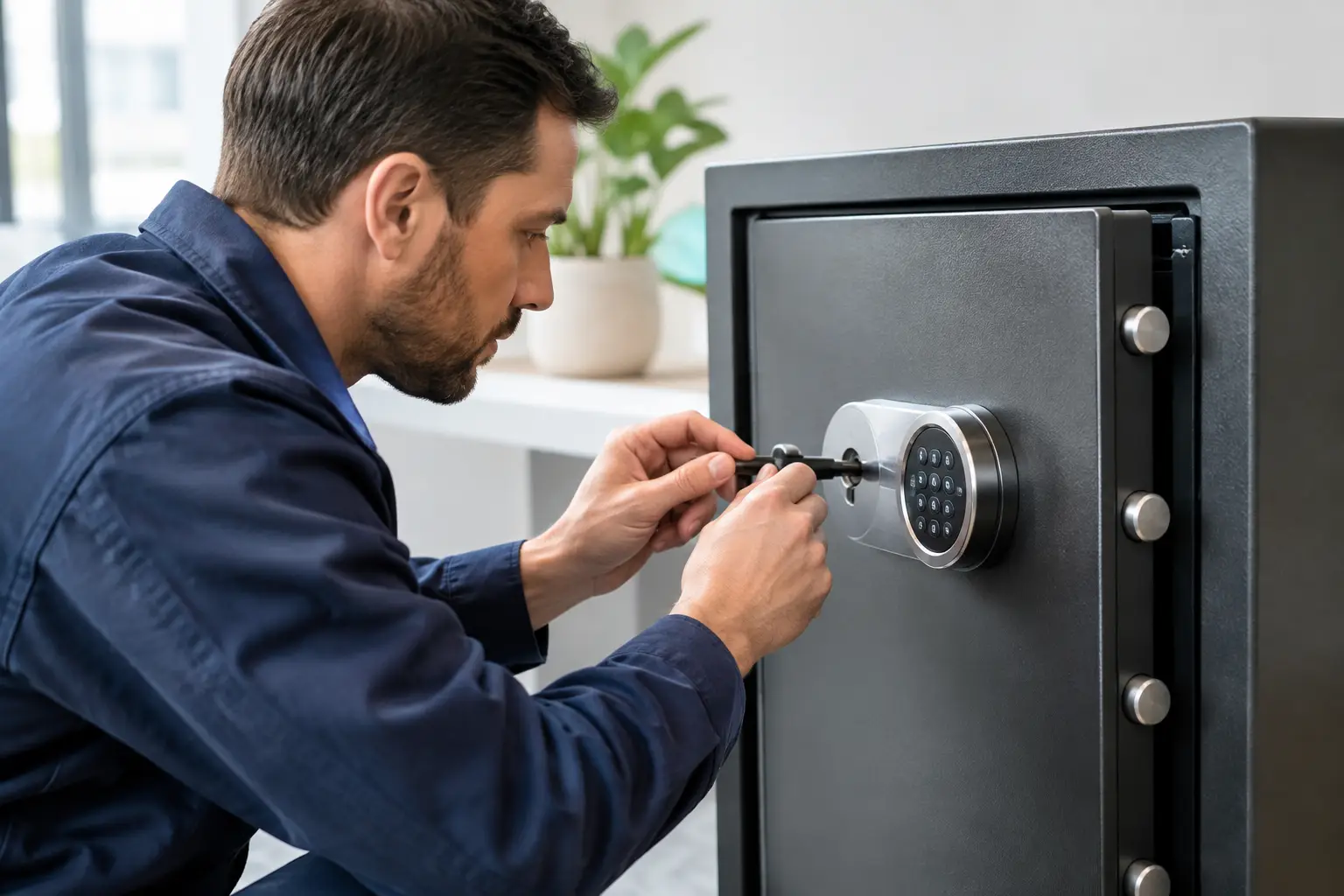
A safe that will not open is more than an inconvenience when it holds passports, jewelry, cash, legal records, backup drives, or business documents. A qualified safe box locksmith can help restore access while protecting the safe, its locking system, and the contents inside. The right response depends on the problem, the type of safe, and whether security has been compromised.
For homeowners, the issue may be a forgotten combination, a dead electronic-lock battery, or a key that no longer turns. For a retailer, hotel, office, or finance department, a lockout can interrupt daily operations and delay access to cash, keys, records, or deposits. Acting carefully from the start protects both your property and the security standard the safe was purchased to provide.
What a Safe Box Locksmith Does
A safe box locksmith is trained to work with safes, vaults, secure cabinets, deposit units, and their locking mechanisms. This is not the same as general door-lock service. Safes use specialized construction, relocking devices, hard plates, boltwork, fire barriers, and electronic or mechanical locks that require a different level of knowledge.
The locksmith’s first task is to identify the safe and the reason access has failed. A battery-powered electronic safe may only need a correct power restoration procedure. A mechanical combination lock may have a dialing issue, worn components, or an incorrect combination. A key-operated safe may have a damaged key, a faulty lock cylinder, or boltwork that is under pressure.
After access is restored, the work may include lock replacement, combination changes, key replacement, boltwork adjustment, or an assessment of whether the safe remains suitable for its purpose. If a safe has been damaged during a burglary attempt or shows corrosion, the most responsible outcome may be replacement rather than repair.
Situations That Require Professional Help
Do not force a handle, pry at the door, drill blindly, or repeatedly enter codes at random. These actions can trigger a lockout, damage the boltwork, or turn a manageable service call into a replacement decision.
A professional should be considered when the safe has a confirmed but non-working code, the handle turns without opening the door, the lock displays an error, the key is stuck or broken, or the safe has suffered impact, fire, moisture exposure, or attempted tampering. Businesses should also call for help when employee access changes, a manager leaves without transferring credentials, or a key holder can no longer be authorized.
Electronic lock issues are common, but not all are emergencies. If the safe’s manual clearly identifies an external battery connection or an approved emergency power method, follow only the manufacturer instructions. If the safe remains unresponsive, stop there. Improvised wiring or force can damage the lock and create a larger security problem.
A safe that opens but will not lock properly also needs attention. The purpose of a safe is not simply storage. It must reliably secure valuables when the room is unattended. Delaying repair after a loose handle, sticking bolts, or inconsistent lock behavior puts assets at unnecessary risk.
Verify Credentials Before Granting Access
A locksmith who opens a safe is being trusted with access to sensitive property. Before booking service, confirm that the provider is legitimate, experienced with the relevant safe type, and prepared to verify ownership or authorization. This matters for a private residence, and it is essential for commercial locations where cash, customer records, inventory, or controlled keys may be inside.
Be prepared to provide proof that you own the safe or have authority to access it. This could include identification, business authorization, purchase documentation, property records, or a letter from a facility manager. A responsible provider should not treat this as an obstacle. Verification protects the owner, the business, and the integrity of the service.
Ask practical questions before work begins. Can the technician service your lock type? Will the opening method preserve the safe where possible? Is replacement hardware available if the existing lock cannot be retained? Can they reset access credentials after entry? Clear answers help you compare service options without sacrificing security for speed.
For commercial customers, establish a written access process. Identify who can authorize service, who must be present, and who receives the new code or keys after the work is complete. This prevents confusion at the exact moment security controls need to be strongest.
Repair, Re-lock, or Replace?
The best choice is not always the least expensive immediate option. Repair may make sense when the safe body is sound and the issue is limited to a battery, keypad, lock, key, or boltwork component. Re-locking or changing combinations is appropriate after a staffing change, lost key, suspected code exposure, or relocation of a safe to a new site.
Replacement should be considered when the safe no longer matches the value of what it protects. A compact home safe may be adequate for documents and modest valuables, but not for a growing jewelry collection, larger cash holdings, or critical business records. A damaged safe may also lose its fire or burglary protection even if the door can still be made to close.
Fire resistance and burglary resistance are separate requirements. A fire-resistant safe is designed to protect paper records or specified media for a defined period under heat exposure. A burglary-resistant safe is built to resist attack and forced entry. Some buyers need both protections, while others need a deposit safe for retail cash flow, a hotel safe for guest use, or a jewelry safe with more specialized security and organization.
Before replacing a safe, review its location and installation. A high-quality safe that is not properly positioned or anchored may not provide the protection expected. Consider the weight of the safe, the load capacity of the floor, access through doors and elevators, privacy of the installation area, and whether the unit should be anchored according to manufacturer guidance.
Protect Your Safe From Future Lockouts
Most safe access problems can be reduced with simple controls. Store emergency keys, override information, and safe documentation separately from the safe itself. Do not attach labels that identify the safe model, code, or key number to the safe or nearby furniture.
For electronic locks, use quality batteries and replace them on a planned schedule rather than waiting for a warning signal. Keep the battery compartment clean and follow the lock manufacturer’s instructions. If the safe is in a humid, dusty, or high-traffic environment, inspect the keypad, handle, hinges, and door seal periodically.
Mechanical combination locks need disciplined recordkeeping. Keep the combination in a secure, restricted location and limit knowledge of it to authorized people. Avoid sharing codes through informal messages or leaving them in a desk drawer. For offices and retail operations, update access immediately when responsibilities change.
Use a maintenance plan for safes that are opened frequently. Deposit safes, cash safes, hotel safes, and office units experience more daily wear than a residential document safe. Regular checks help identify loose hardware, stiff handles, worn keys, and changing lock behavior before an urgent lockout occurs.
Choosing the Right Safe After Service
A locksmith visit often reveals that the real issue is not only the lock. It may be insufficient capacity, outdated access control, poor fire protection, or a safe that was never designed for the contents now stored inside.
Start with what must be protected: cash, jewelry, passports, contracts, digital media, inventory, or confidential files. Then consider the likely threat – fire, unauthorized access, burglary, internal misuse, or the need for frequent deposits. A household may need a fire-resistant safe for records and valuables, while a retailer may need a deposit safe that allows cash drops without giving every staff member full access.
For offices, security works best when it supports organized operations. Pairing secure storage with fire-resistant filing cabinets, shredders for confidential records, and suitable filing or storage systems helps reduce exposure across the workplace. Protection is stronger when documents, cash, keys, and inventory each have a defined and controlled place.
Safe World UAE supplies security safes and workplace storage solutions for homes and businesses that need dependable protection with practical purchasing support. Selecting the right model before a problem occurs gives you more control over size, lock type, protection level, and installation requirements.
When access fails, stay calm, protect the area, and use a qualified professional who verifies authorization. Once the safe is working again, treat the event as a useful security check: confirm who has access, review what is being stored, and make sure the safe is still ready to protect what matters most.