

Office Safe Buying Guide for Secure Workplaces

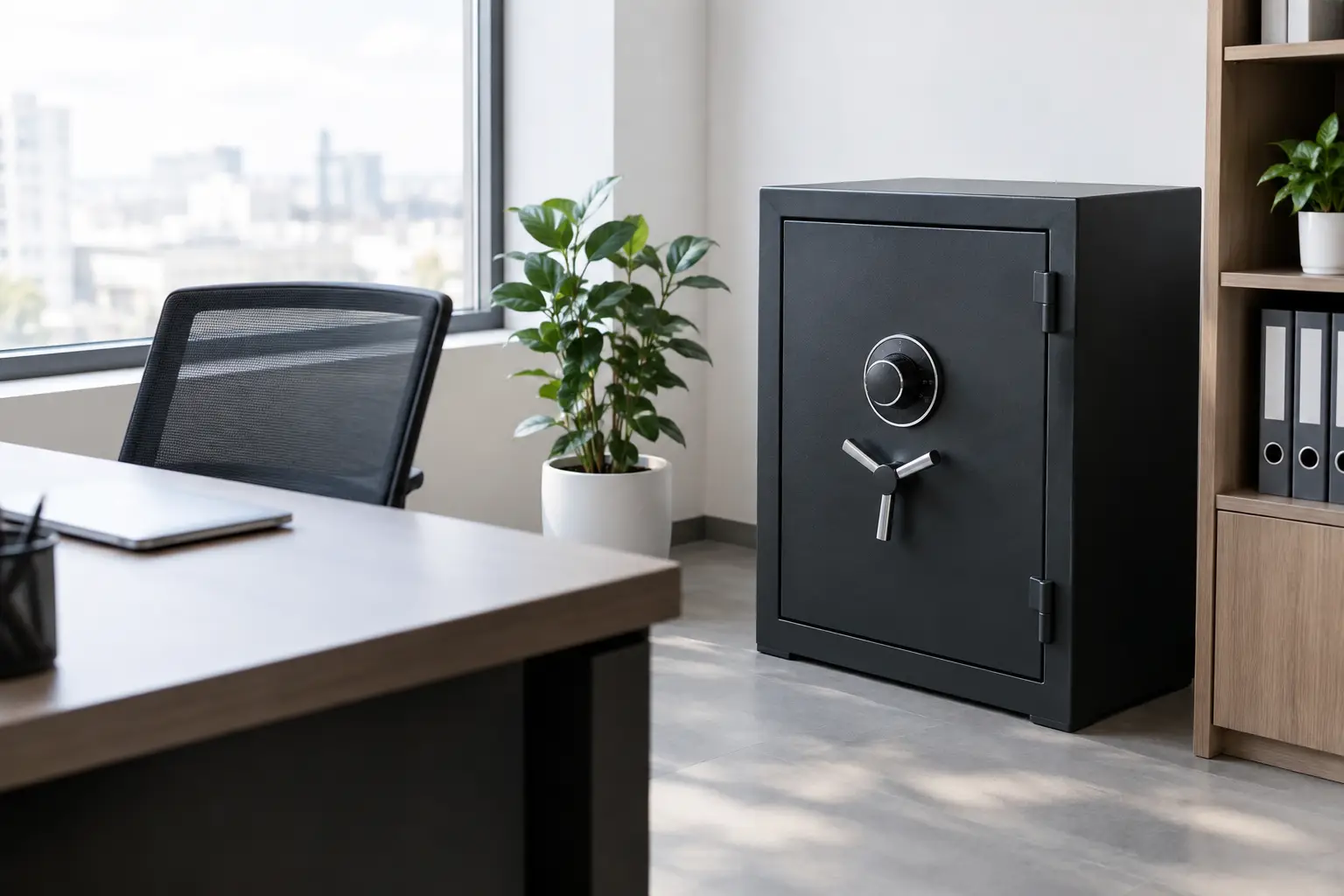
A safe that is too small, too lightly rated, or placed in the wrong location can create a false sense of security. This office safe buying guide helps office managers, finance teams, retailers, and facility professionals choose protection that fits their actual risks, daily workflow, and valuable assets.
An office safe is not simply a steel box for cash. It may protect signed contracts, employee records, passports, backup drives, petty cash, high-value stock, keys, stamps, and confidential files. The right choice depends on what you are protecting, how often staff need access, and what could happen in a fire, break-in, or internal security incident.
Start With What the Safe Must Protect
Before comparing lock types or exterior finishes, list the items that will go inside the safe. This determines the size, internal layout, security level, and fire protection you need.
For a typical administrative office, documents, checkbooks, company seals, backup drives, and small amounts of cash may be the priority. A retail operation may need a deposit safe for daily takings and a separate burglary-resistant safe for cash held overnight. Finance departments often need controlled access for payment instruments, records, and petty cash. Jewelry businesses, pharmacies, and operators storing compact, high-value items usually require a higher burglary rating and more secure anchoring.
Also consider the replacement cost of the contents, not only their cash value. A lost contract file, original legal document, customer record, or encrypted drive can cause operational disruption far beyond the value of the physical item. If documents are the main concern, fire protection should be central to your decision. If cash, jewelry, or inventory is the main concern, burglary resistance and access control carry more weight.
Choose the Right Office Safe Protection Level
Fire-resistant safes for records and documents
A fire-resistant safe is designed to limit internal temperature during a fire for a stated period. This protection is particularly valuable for paper records, certificates, legal files, account documents, and other essential paperwork.
Check the stated fire rating and what material it is intended to protect. Paper can tolerate higher temperatures than digital media. USB drives, external hard drives, and other electronic storage may need a safe rated specifically for data media or an additional protected media container inside the safe. Do not assume every fire-rated document safe provides the same protection for electronics.
A longer fire rating is useful when a building is large, access is restricted, or fire response times may vary. It also tends to increase safe weight and cost. For many small offices, a properly rated document safe is a sensible balance. For archives or records that cannot be replaced, a higher-rated model and a separate off-site backup plan are both worth considering.
Burglary-resistant safes for cash and valuables
Burglary resistance relates to how well a safe withstands forced entry. Door construction, locking bolts, body thickness, relocking devices, hinges, and the ability to anchor the unit all affect performance.
A lightweight cabinet with a basic lock may deter casual access, but it is not the right solution for substantial cash holdings or high-value stock. For businesses that retain cash after hours, store jewelry, or hold sensitive financial instruments, invest in a safe built for a more serious threat level.
Weight alone is not a complete measure of security, but it matters. A safe that can be removed from the premises is easier to attack elsewhere. Floor or wall anchoring is therefore a critical part of the purchase, especially for compact safes. Confirm that the intended floor can support the safe’s loaded weight and that installation will not damage concealed services or compromise the building structure.
Deposit safes for busy cash operations
A deposit safe allows staff to place cash, envelopes, receipts, or small items into a secure compartment without opening the main safe door. This reduces the number of people who require full access and helps keep cash from accumulating in drawers or tills.
For retail counters, hospitality operations, delivery-based businesses, and any location handling regular payments, a deposit safe can improve routine cash control. Choose the deposit format carefully. A front-facing drawer, rotary hopper, or slot may suit different envelope sizes and transaction volumes. The opening should be practical for authorized users while limiting the possibility of retrieving deposited items from outside.
Select a Lock That Matches Your Access Policy
The lock should support your procedures, not make them harder to follow. Key locks are straightforward and do not rely on batteries, but lost keys and unauthorized duplication can create exposure. Mechanical combination locks avoid key control issues and battery dependence, though they take longer to operate and require disciplined code management.
Electronic locks are often practical for offices because they allow quick entry and easy code changes when staffing changes. Some models provide audit features, multiple user codes, dual-control settings, or time delay functions. These features are useful when several employees handle cash or sensitive documents, but they require clear responsibility for code administration.
Biometric access can be convenient in controlled environments, yet it should not be selected for convenience alone. Consider how many users need entry, whether the reader performs reliably in the workplace, and what backup access method is available. For higher-risk applications, dual custody – where two authorized people must be present to open the safe – can provide better control than any single lock type.
Whatever lock you choose, set rules for code changes, emergency access, key custody, and staff departures. A secure safe can still be compromised by weak access management.
Size the Safe for Real Use, Not Today’s Minimum
An office safe often fills faster than expected. Files are added, keys multiply, cash bags need space, and internal shelves can reduce usable height. Measure the items you plan to store, including document folders, deposit bags, laptops, and boxed valuables. Then allow room for growth.
Internal dimensions matter more than external dimensions. A safe can appear large but have a thick fire-protective body that reduces its usable storage area. Check the door swing as well. A safe placed in a narrow archive room or behind a counter must open fully without blocking work areas or emergency routes.
For documents, adjustable shelves, locking drawers, and filing-friendly layouts can improve organization. For cash and valuables, removable trays or separate internal lockers may support better segregation. A safe that holds everything in one unorganized compartment may meet the basic security requirement but slow down daily operations.
Plan the Location and Installation Before Ordering
The safest unit is not always the largest one. It is the unit installed in a location that supports both security and staff access.
Avoid placing a safe in an obvious, exposed area where visitors can observe staff using it. At the same time, do not hide it so completely that authorized employees cannot access it safely during the workday. A controlled back-office area, manager’s room, or secure records room is often suitable. Keep the location away from moisture risks, direct heat sources, and areas likely to flood.
Professional delivery and installation matter because commercial safes are heavy and can be difficult to position correctly. Confirm door widths, elevators, stair access, floor loading, and anchoring requirements before delivery. If the safe must be installed upstairs or in a leased office, obtain building and landlord approvals where necessary.
In Abu Dhabi and Dubai, businesses should also consider building access schedules and loading restrictions. Planning these details in advance prevents delayed installation and ensures the safe is secured from the first day of use.
Compare Total Value, Not Just Purchase Price
The lowest-priced safe may cost more over time if it lacks the rating, capacity, or access features your operation needs. Compare products based on their intended protection level, construction, lock capability, usable space, anchoring options, warranty support, and suitability for your workplace procedures.
A fire-resistant filing cabinet may be a better choice than a small safe when your main need is organized protection for large volumes of paper records. A deposit safe may reduce cash-handling risk more effectively than a larger standard safe. A higher-security safe may be justified when one incident would materially affect operations or customer trust.
Safe World UAE can help businesses match fire-resistant safes, burglary-resistant safes, deposit safes, and filing protection to their operational needs. Bring a clear list of contents, measurements, access requirements, and installation conditions when requesting a recommendation.
The best office safe supports a simple discipline: valuable items are secured promptly, access is controlled, records remain organized, and the business can continue operating with confidence when an unexpected event occurs.