

Filing Cabinets for Secure Document Storage: Compliance Guide

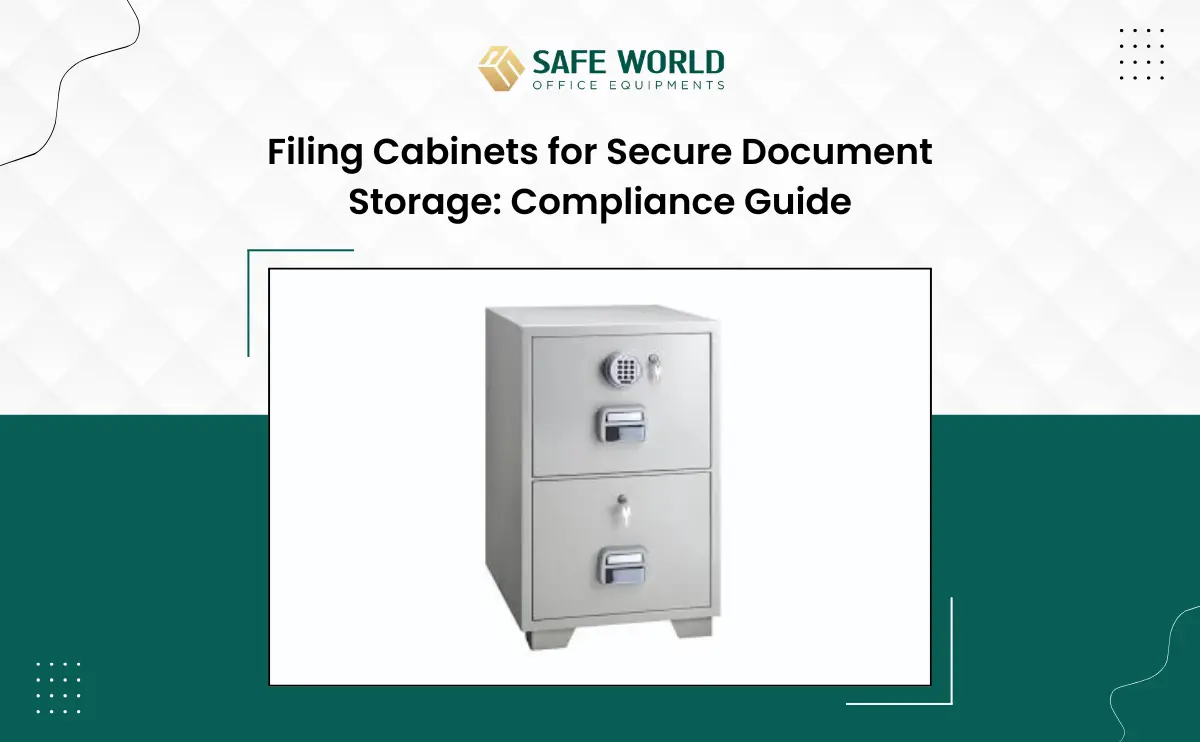
Every office has documents that cannot be treated casually. Some papers are easy to replace, but others carry sensitive details – contracts, employee records, and financial data. Once these get misplaced or exposed, the problem becomes serious.
That is why Filing Cabinets for Secure Document Storage are not just for organizing files. They are part of how a business protects itself and stays compliant with rules.
Many people focus only on size or price. However, security and compliance matter just as much, sometimes even more.
Table of Contents
Why Secure Storage Is a Big Deal
Documents are not just papers. They hold information that should stay private.
If storage is weak:
- Anyone can access important files
- Data can get damaged or lost
- Legal issues may arise
Because of this, Filing Cabinets for Secure Document Storage help reduce risk and keep things under control. At the same time, proper storage also makes daily work easier. You know where everything is, and you do not waste time searching.
What Compliance Actually Means Here
Compliance may sound complicated, but the idea is simple. This refers to the compliance with regulations concerning data security.
Each industry has its own set of requirements. For instance:
- Legal firms manage sensitive client information
- Hospitals manage patients’ information
- Corporations maintain information on their employees and finances
In this regard, the use of Filing Cabinets for Secure Document Storage satisfies these security requirements.
Features That Actually Matter
Not every cabinet is built for secure use. Some are only for basic storage. If security is your goal, a few features should not be ignored.
Strong Lock System
A simple lock is not always enough.
Seek cabinets that will provide you with:
- Central locking facility for all drawers
- Reliable locks that could be either key or electronic
- Proper means of closing
In the case of “Filing Cabinets for Secure Document Storage,” access must be strictly limited to those who have permission only.
Strong Cabinet Construction
The cabinet’s construction quality can be gauged with a touch.
The cabinet is strong and metallic and cannot bend easily. On the other hand, weak material may wear out faster.
So, while choosing Filing Cabinets for Secure Document Storage, build quality should never be compromised.
Fire Protection
Fire is unpredictable. Even a small incident can destroy years of records.
Some cabinets are designed to handle high temperatures for a certain time. These are useful when documents are critical.
Using Filing Cabinets for Secure Document Storage with fire resistance adds one extra layer of protection that many people overlook.
Stability and Safety
A cabinet should not only store files, but it should also be safe to use.
If multiple drawers open at once, the cabinet may tilt forward. That can be risky.
Many modern Filing Cabinets for Secure Document Storage come with anti-tip systems. This keeps the cabinet stable and prevents accidents.
Controlled Access Inside the Office
Not every employee needs access to every file.
It is better to keep access limited. When fewer people handle sensitive documents, the chances of mistakes reduce.
This is another reason why Filing Cabinets for Secure Document Storage are useful. They help maintain internal discipline without extra effort.
Choosing the Right Type
Different setups need different styles of cabinets.
- Vertical filing cabinets are best suited for smaller rooms
- Horizontal filing cabinets are preferred for offices with many documents
- Fireproof filing cabinets are great for storing confidential information
Each kind fulfills a different purpose. As such, you should consider your needs when choosing Filing Cabinets for Secure Document Storage.
Small Things Make a Big Difference
No matter how good the filing cabinet may be, it won’t do much if you don’t use it properly.
There are small things you can do that will make your cabinet more secure:
- Always lock the drawers
- Keep confidential documents separate from others
- Don’t lend out the keys unnecessarily
- Make sure the locks still work
Following these practices makes Filing Cabinets for Secure Document Storage even better at what they do.
Things That Ruin Everything
The problem is not always the cabinet; sometimes it’s misuse that causes the problems.
Some typical mistakes made with cabinets:
- Storing confidential documents in standard cabinets
- Ignores all rules concerning fire safety
- Open access to any and all employees
- Complete neglect regarding maintenance
Not making these mistakes makes Filing Cabinets for Secure Document Storage last longer.
Read Also – Top Benefits of Using Filing Cabinets for Office Organization
Final Thoughts
Secure storage is not something to think about later. It should be part of your setup from the beginning.
Filing Cabinets for Secure Document Storage help you stay organized, protect important data, and follow basic compliance needs without making things complicated.
A good cabinet does its job quietly in the background, but its value shows when something goes wrong, and your documents stay safe.
FAQs
1. What makes Filing Cabinets for Secure Document Storage different?
They focus on safety features like locks, a strong build, and limited access.
2. Do small offices also need secure cabinets?
Yes, even small offices handle important documents that need protection.
3. Is fire resistance really necessary?
If documents are important, having that extra protection is useful.
4. How can I improve security further?
Use Filing Cabinets for Secure Document Storage and limit access to selected people.
5. How long do these cabinets last?
With proper use, Filing Cabinets for Secure Document Storage can last for many years.
For more workplace organization and compliance tips, connect with us on LinkedIn and stay updated with industry insights.
One thought on “Filing Cabinets for Secure Document Storage: Compliance Guide”