

How to Choose Security Safes for Real Protection

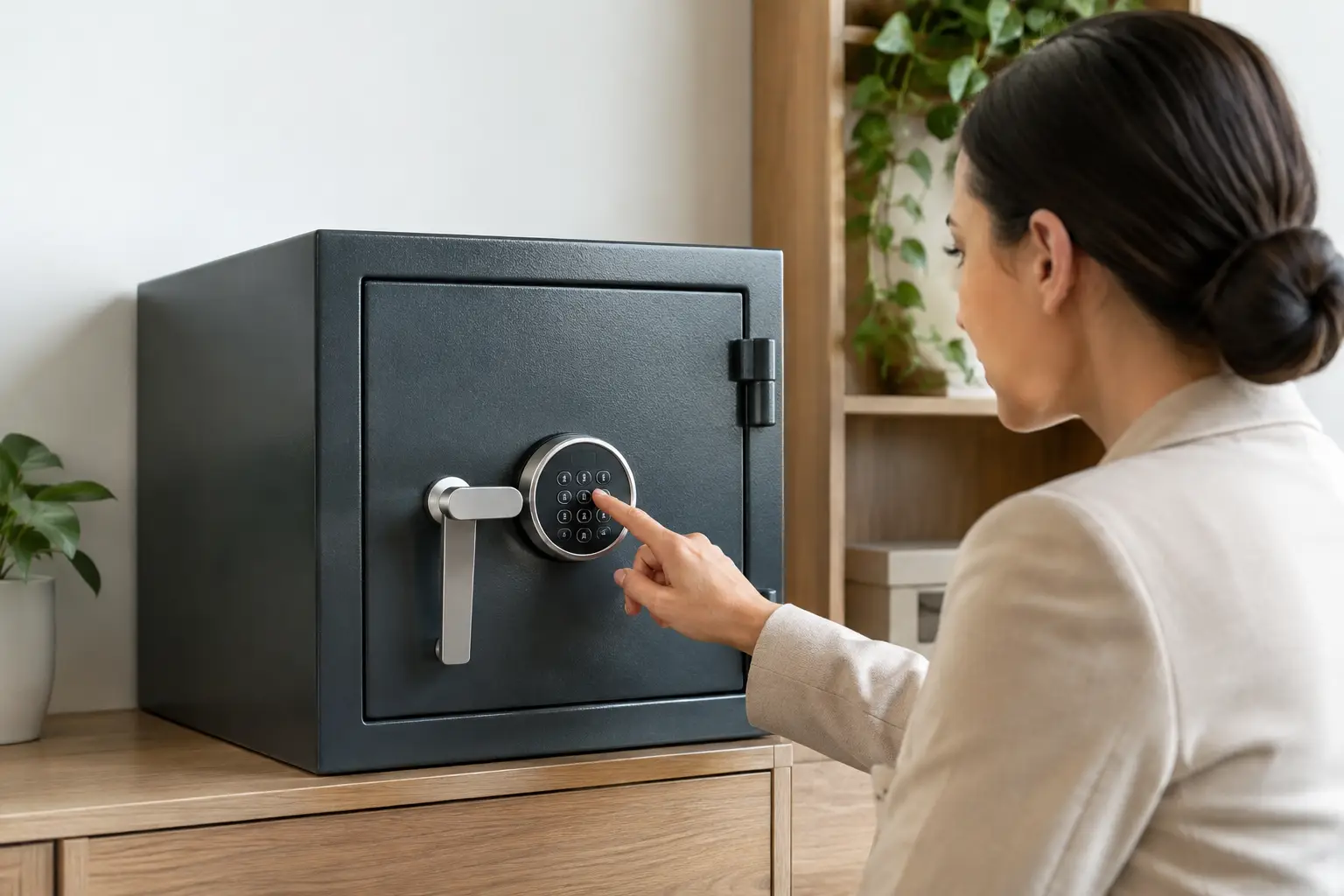
A safe that is too small, poorly installed, or selected for the wrong risk can create a false sense of protection. The right security safes protect more than valuables – they help households, offices, retailers, and hospitality teams maintain control over the items that cannot be easily replaced.
For a passport and family jewelry, the priority may be fire protection and discreet placement. For a retail store, the concern may be cash exposure during trading hours and secure deposits after closing. For an office, confidential records and access control can matter as much as theft resistance. Start with the asset, the likely risk, and the daily workflow before comparing models.
What Security Safes Need to Protect Against
A security safe is not one universal product category. Fire, burglary, unauthorized access, cash handling, and water damage are different problems, and no single feature carries equal weight for every buyer.
A fire-resistant safe is designed to help protect paper documents, passports, certificates, contracts, and records during a fire. Its insulation and tested fire rating are central to its value. However, a fire rating does not automatically mean the safe provides a high level of burglary resistance. If the contents include jewelry, significant cash, watches, or high-value collectibles, the body construction, door design, locking bolts, and anchoring method deserve closer attention.
Burglary-resistant safes are built to make forced entry more difficult. Thicker steel, reinforced doors, anti-pry features, relocking devices, and high-security locks all contribute to protection. The right level depends on what is stored, where the safe is located, and how long an intruder might have to attack it.
For businesses, access is another essential consideration. A finance manager may need a safe that records openings or allows separate user codes. A hotel operator needs a guest-friendly safe with an emergency override process. A retailer may need a deposit safe that lets staff drop cash without gaining access to stored funds. The best choice supports security without slowing down legitimate work.
Start With the Asset and the Risk
Before choosing a size, make a clear inventory of what will be stored. Include the current contents and expected additions over the next few years. Buyers often focus on the dimensions of cash or jewelry, then overlook document folders, key sets, backup drives, cameras, stamps, and packaged inventory.
For home use, consider whether the safe will hold passports, title documents, insurance papers, cash, jewelry, heirlooms, and small electronics. Paper records need a fire-resistant interior. Digital media can be more sensitive to heat than paper, so confirm that the safe is suitable for the specific media being stored.
For commercial use, identify who deposits items, who opens the safe, and when access is required. A front desk, retail counter, back office, jewelry showroom, and warehouse all have different risks. A safe positioned behind a counter may require rapid deposits and restricted retrieval. A management office may need organized storage for documents, keys, petty cash, and confidential files.
Do not buy based only on outside dimensions. Internal capacity is reduced by door thickness, insulation, lockwork, shelving, and drawers. Check the clear internal measurements, especially when storing lever-arch files, document boxes, cash trays, or larger jewelry cases.
Fire Resistance and Burglary Resistance Are Different
Many buyers need both protections, but they should evaluate each one separately. A fire-resistant safe should clearly state its fire performance, including the duration and the type of contents it is intended to protect. Common ratings are expressed in minutes or hours. A longer rating can be useful for properties where emergency response times, building layout, or the value of records create greater exposure.
Burglary protection comes from the safe’s overall construction rather than one specification alone. Look at the steel body, door thickness, locking bolts, hinges, bolt work, and lock type. A heavier safe is often harder to remove, but weight alone is not a complete measure of security.
Installation changes the equation. Even a well-built safe can be vulnerable if it can be carried away. Where the model permits, anchoring it to a suitable concrete floor or structural wall adds meaningful protection. Installation must follow the product requirements and the building conditions. Never compromise a fire-resistant safe by drilling or modifying it in a way that affects its tested design or warranty.
Choose a Lock That Fits Daily Use
Lock selection affects both security and convenience. Key locks are straightforward and do not require batteries, but key control becomes critical. A misplaced key, copied key, or key stored near the safe weakens the entire system.
Electronic locks are practical for homes and workplaces because codes can be changed when staff roles change or a family member no longer needs access. Some models provide multiple user codes, time-delay settings, audit trails, or dual-control access. These functions are especially useful for cash rooms, finance departments, and controlled inventory areas.
Mechanical combination locks avoid battery concerns and can be a suitable choice for long-term storage, though opening them takes more time and training. Biometric access can offer convenience for selected applications, but it should not be chosen solely for speed. Consider the number of authorized users, emergency access procedures, and whether a backup method is available.
For high-value assets, dual locking arrangements can provide better control. This may require two credentials or two authorized people to open the safe. It adds time to access, but that trade-off can be worthwhile for jewelry, controlled documents, or substantial cash holdings.
Placement Is Part of Safe Security
The best location is not always the most obvious one. A safe needs a stable, accessible position that supports correct anchoring and allows the door to open fully. It should also be protected from unnecessary visibility, moisture, and damage from daily operations.
At home, avoid placing a safe where visitors, contractors, or casual guests can easily observe it. Consider the practical realities of the space: flooring strength, wall construction, door clearance, and the route needed to bring the safe into the property.
In a workplace, place the safe close enough to the workflow that staff will use it consistently, but not so exposed that it becomes a target. A cash deposit safe may belong in a controlled back-office area. A document safe may be better positioned within an administrative department with limited access. A jewelry safe should support secure closing procedures and restricted key or code management.
For buyers in Abu Dhabi or Dubai, professional delivery and placement are particularly valuable for heavy fire-resistant and burglary-resistant models. Correct handling protects the premises, the product, and the people responsible for using it.
Consider the Safe as Part of a Larger System
A safe performs best when it is supported by clear procedures. Decide who knows the location, who holds keys or codes, how codes are changed, and what happens if an authorized user is unavailable. For businesses, document these responsibilities instead of relying on verbal handovers.
Retail and financial-service environments can combine deposit safes with banknote counters and counterfeit detectors to improve cash control. Offices may pair document safes with shredders, filing systems, and fire-resistant filing cabinets. Warehouses may secure keys, seals, handheld devices, and controlled paperwork while using lockers and shelving to keep everyday assets organized.
This approach reduces procurement complexity and helps prevent security gaps between receiving an item, storing it, processing it, and disposing of sensitive records. Safe World UAE supports this wider need with physical security, cash-handling equipment, and workplace storage solutions from one specialist supplier.
Questions to Answer Before You Order
Before purchasing, confirm these practical points with the supplier or product specification:
- What items will be stored, and do they need fire protection, burglary protection, or both?
- What internal dimensions are required once folders, shelves, drawers, and packaging are considered?
- Who needs access, and does the lock support the right level of code, key, or dual-control management?
- Can the selected location support delivery, anchoring, door clearance, and the safe’s weight?
- What is the procedure for lost keys, failed batteries, emergency opening, and code changes?
A safe should make responsible ownership easier, not create a daily obstacle that people work around. Choose the protection level for the real risk, install it correctly, and give authorized users a clear process for access. When those details are handled before purchase, your valuables, records, and business assets remain protected with confidence.