

Fire Safe Features That Protect What Matters

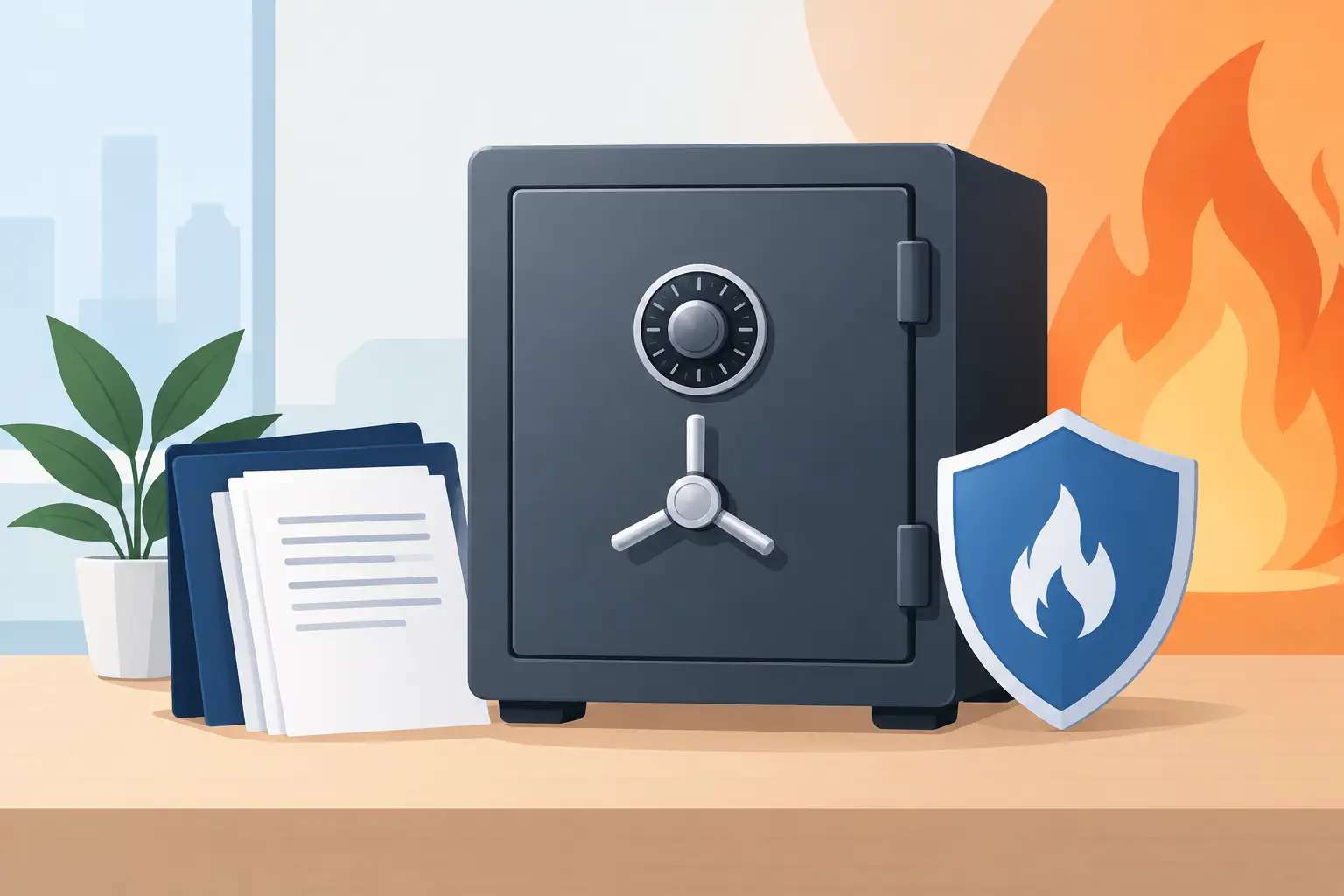
A safe can look substantial and still fail at the moment it is needed most. The fire safe features behind the door, inside the walls, and around the seal determine whether passports, contracts, cash, jewelry, and digital records remain protected after a fire. For homes and businesses, the right choice is not simply the heaviest safe or the largest model. It is the one with verified fire performance, appropriate capacity, and a lock system that suits daily use.
Start With a Verified Fire Rating
A fire-resistant safe should be selected by its tested rating, not by the word “fireproof” in a product description. No safe is invulnerable to every fire condition. A rating indicates how long the safe is designed to protect its contents during controlled high-temperature testing.
Common fire ratings are 30, 60, 90, and 120 minutes. A 30-minute rating can suit basic home storage where the priority is protecting a limited set of documents. A 60-minute fire rating is often a practical choice for homes, retail counters, and offices. Businesses holding critical records, higher-value stock, or sensitive client files may need 90 or 120 minutes of protection.
Time alone is not the full story. Ask what type of contents the rating covers. Paper documents, cash, and photographs generally tolerate higher internal temperatures than computer media, external drives, memory cards, and backup tapes. A safe tested for paper may not provide adequate protection for digital media. If electronic records are essential, choose a safe or dedicated media-storage solution rated specifically for that purpose.
Fire Safe Features That Control Heat
The most effective protection comes from several components working together. The safe body uses layered steel and fire-resistant insulating material to slow the transfer of heat. Door thickness matters, but construction quality and the insulation system matter more than appearance alone.
A heat-expanding door seal is one of the most valuable fire safe features. During a fire, this seal expands to close gaps around the door, helping prevent heat, smoke, and hot gases from entering the interior. Without an effective seal, a heavy door can still leave vulnerable spaces around its edges.
Look for a solid door frame, strong hinges, and a precise door fit. These details support both fire performance and security. They also help the safe close consistently over years of regular use. A safe that is difficult to close, misaligned, or improperly installed may not deliver its intended protection.
Some fire-resistant safes use moisture within their insulation materials to help control internal temperatures during extreme heat exposure. This is useful in a fire, but it can create a humid environment inside the safe under normal conditions. For watches, jewelry, paper archives, and electronics, use suitable internal protection such as sealed document pouches, desiccant packs, or separate moisture-conscious storage where appropriate.
Fire Protection Is Not the Same as Burglary Protection
A fire-rated safe and a burglary-resistant safe solve different risks. Fire protection focuses on insulation, seals, and internal temperature control. Burglary resistance focuses on steel thickness, locking bolts, anti-pry construction, drill resistance, relocking systems, and anchoring capability.
A lightweight document safe may perform well against heat while offering limited resistance to forced entry. On the other hand, a heavily built burglary safe may not have a fire rating suitable for important paper records. Homes storing jewelry, cash, legal documents, and small valuables often need a model that combines fire resistance with meaningful burglary protection.
For retail, jewelry, and cash-handling environments, this distinction is especially important. A fire-resistant safe can protect stock records and receipts, while a burglary-resistant or deposit safe can control access to cash and valuables during operating hours. The right setup may involve more than one unit because daily deposits, high-value items, and long-term records have different security requirements.
Choose the Right Lock for How You Work
The lock affects convenience, access control, and continuity during an emergency. Key locks are straightforward but require secure key management. Mechanical combination locks are dependable and avoid battery concerns, although they can be slower to open and require careful code control.
Electronic locks offer fast entry and can be useful for offices, hospitality properties, and busy retail operations. Depending on the model, they may support multiple user codes, audit records, time delays, or dual-control access. These features are valuable when several authorized staff members need controlled access without sharing a single combination.
Electronic access does require disciplined maintenance. Replace batteries according to the manufacturer’s guidance, retain any emergency override method securely, and limit administrator access. A lock with more functions is not automatically the better choice. For a home safe opened a few times each year, simplicity may be preferable. For a finance office managing regular cash access, user-level control and access records can justify a more advanced lock.
Size for the Contents You Will Add Later
Buying too small is one of the most common safe-selection mistakes. A safe that holds today’s passports and cash may be full once property documents, insurance records, laptops, jewelry boxes, or business files are added.
Start by listing what needs protection, then allow room for growth. Include folders, document sleeves, binders, and protective cases in your measurements. Internal dimensions are more useful than exterior dimensions when deciding whether a safe will hold letter-size or legal-size documents, files, or larger valuables.
Shelves, drawers, and adjustable interiors improve organization and reduce the need to stack valuables carelessly. Jewelry safes may require specialized trays and compartments. Office users may need filing-friendly interiors, while hotel operators often prioritize compact in-room capacity and simple guest access. A fire-resistant filing cabinet can be a better option than a general safe when the main requirement is organized protection for large volumes of paper files.
Consider Water, Smoke, and Placement
Fire response often involves water, and smoke residue can damage sensitive contents. A fire rating does not always mean the safe is waterproof or smokeproof. If water resistance is a priority, confirm that feature separately and understand its stated conditions.
Placement also affects performance and usability. Install the safe on a stable, level surface that can support its loaded weight. For burglary resistance, choose a model designed for floor or wall anchoring and have it secured according to the manufacturer’s instructions. Anchoring can deter removal, but drilling or installation changes should never compromise the safe’s listed performance.
Avoid placing a safe where it is exposed to persistent dampness, corrosive materials, or direct weather. In a business setting, keep it away from unnecessary public view while ensuring authorized employees can reach it safely. Do not position it behind inventory, shelving, or equipment that would block access when time matters.
For records and valuables stored at home, consider whether all essential items should sit in one location. A safe protects physical items, but copies of critical records and a separate backup plan add practical resilience. Keep an updated inventory of stored valuables outside the safe, including photographs, serial numbers, and relevant ownership documents.
Questions to Ask Before You Buy
Before ordering, confirm the fire rating duration, the type of contents covered by the test, and whether the model also offers burglary protection. Check the internal dimensions, loaded weight, lock type, anchoring options, and clearance needed to open the door fully.
Commercial buyers should also consider who will use the safe, how often access is required, and what happens if a manager is absent. A cash office may need a deposit function, audit-capable electronic lock, or dual-user authorization. A law office may prioritize document capacity and fire-rated filing. A jeweler may need both a high-security safe and a layout that protects inventory from damage.
Safe World UAE can help buyers compare fire-resistant safes, burglary-resistant models, deposit safes, jewelry safes, and fire-resistant filing solutions based on the assets being protected and the way the space operates.
A fire safe is most valuable before an emergency occurs. Choose verified protection, install it correctly, keep access controlled, and organize the contents so the items that matter most are ready to protect when conditions change.