

Small Home Safe Box: Choose Protection That Fits

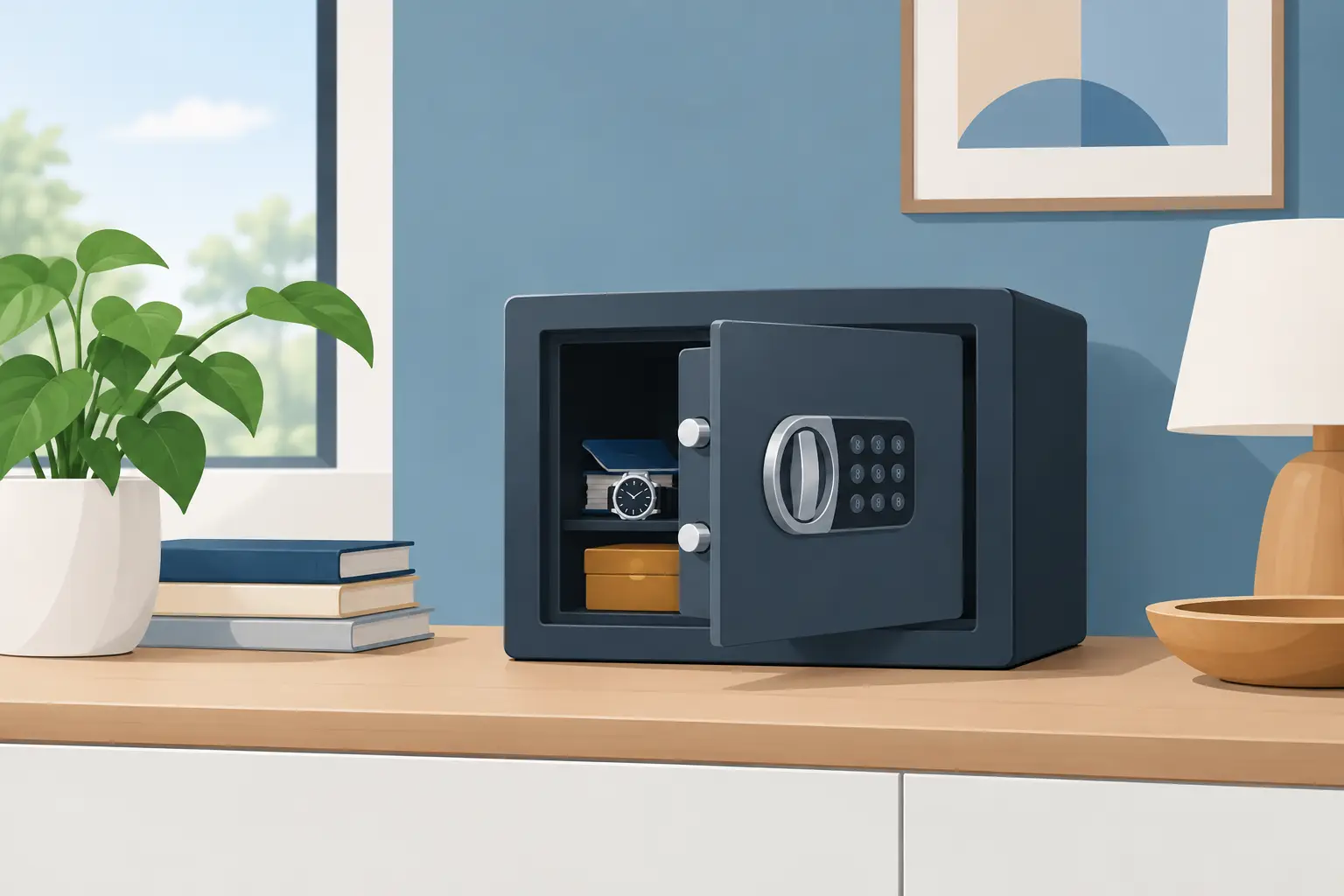
A passport needed before an early flight, a property document requested by the bank, or jewelry left unattended during a long weekend can expose the same problem: valuables are often stored in places that are easy to reach. A small home safe box creates one controlled location for the items that would be difficult, expensive, or impossible to replace.
For most households, the right safe is not the largest model available. It is the model that holds essential items, provides protection appropriate to the risk, and can be installed correctly. Size, lock type, fire resistance, and anchoring all affect the result. Buying a safe without considering these details can leave a valuable product underused or inadequately secured.
What Should a Small Home Safe Box Protect?
Start with the items you need to secure, not with the outside dimensions of the safe. A compact unit is well suited for passports, cash reserves, jewelry, watches, legal papers, backup drives, vehicle documents, spare keys, and small collectibles. Families may also use it for birth certificates, insurance records, and medical documents.
This approach helps prevent a common mistake: selecting a safe that appears spacious online but cannot accommodate folders, envelopes, or jewelry cases. Measure your largest item first. If documents must remain flat, confirm the internal width and depth rather than relying on the external measurements.
A small safe is also useful for separating daily essentials from larger assets. For example, a household may keep immediate documents and personal valuables in a compact safe while storing bulky files or higher-value collections in a larger burglary-resistant or fire-resistant safe. Protection should match the asset, not force every item into one storage format.
Choose Security Based on Real Risk
A home safe should create delay, resistance, and accountability. It should not be treated as a substitute for sensible home security, insurance, or proper installation. The level of burglary protection you need depends on what is inside, where the safe will be placed, and whether it will be anchored.
For low-volume personal valuables, a compact steel safe with a reliable lock may be appropriate. If the safe will hold expensive jewelry, substantial cash, collectible watches, or highly sensitive documents, consider a heavier unit with stronger construction, reinforced door features, and a secure mounting option. A lightweight safe that can be carried away offers limited protection, even if its lock appears sophisticated.
Placement matters just as much. A visible safe in an unsecured cabinet can attract attention and give an intruder time to work on it. A more discreet location, properly fixed to a suitable wall or concrete floor, makes removal more difficult. Avoid locations exposed to moisture, extreme heat, or easy public view.
Fire Protection Is Different From Theft Protection
Fire resistance and burglary resistance are separate performance goals. Some compact safes prioritize document protection during a fire but may not provide the same defense against forced entry as a dedicated burglary-resistant safe. Others are built for theft deterrence but are not designed to protect paper records from high temperatures.
If documents are a priority, review the safe’s stated fire protection specifications and the period of protection claimed for paper. Digital media can require a different level of heat and humidity protection than paper. Do not assume that a fire-resistant safe will automatically protect USB drives, external hard drives, or other electronic storage devices.
For many homes, the practical choice is a compact safe that balances both needs. The right balance depends on the value and type of property being stored. A buyer protecting passports and legal papers may place greater emphasis on fire resistance. A jewelry owner may prioritize burglary resistance, door construction, and anchoring.
Select a Lock You Will Use Reliably
The lock affects daily access as well as security. There is no single best choice for every household.
A key lock is straightforward and does not require batteries, but the key itself must be stored securely away from the safe. Hiding it nearby defeats the purpose. Electronic keypad locks provide quick access and allow users to set a personal code, making them practical for frequently accessed items. However, responsible owners should maintain battery power and understand the emergency access procedure before an urgent situation occurs.
Mechanical combination locks do not rely on batteries and can offer long-term reliability, though opening them takes more time and requires careful code management. Biometric locks can be convenient for fast access, but they should be evaluated for fingerprint enrollment quality, backup entry options, and the needs of all authorized users.
For a small household safe, choose the lock that the responsible users can operate correctly under pressure. A complex system is not an advantage if family members cannot access essential records when needed. Keep codes private, change them when circumstances change, and avoid sharing access casually with contractors, visitors, or temporary staff.
Measure the Space Before Ordering
Compact safes are often installed in closets, bedrooms, home offices, or built-in cabinetry. Before selecting a model, measure the available opening, door swing clearance, and route from the delivery point to the final location. A safe may fit inside a closet but still be difficult to position if the hallway, staircase, or cabinet opening is too narrow.
Also check whether the selected surface can support the safe and its contents. A heavier safe may need professional installation or suitable structural support. Wall-mounted models require an appropriate wall structure, while floor-mounted units need secure anchor points. Follow the manufacturer’s installation guidance and use the specified hardware where applicable.
Do not place a safe where it blocks ventilation, damages shelving, or interferes with normal access to electrical panels and household systems. The best location is discreet, dry, accessible to authorized users, and capable of supporting a secure installation.
Avoid These Common Small-Safe Mistakes
The most frequent issue is buying too small. A safe packed tightly with documents, jewelry boxes, and emergency cash becomes inconvenient, which encourages people to leave important items outside it. Allow room for future documents and use adjustable shelves, trays, or interior compartments where they improve organization.
Another mistake is treating a digital lock as maintenance-free. Replace batteries proactively, use quality batteries recommended for the lock, and keep the emergency key or override method in a separate secure location. Do not store the backup key inside the safe.
Finally, do not overlook inventory. Keep a private record of what is stored, including serial numbers, photos, or appraisals for higher-value items. This supports insurance claims and helps you notice when an item is missing. The inventory should be protected separately from the safe itself.
When a Compact Safe Is Not Enough
A small home safe box is designed for essential property, not unlimited storage. Consider moving up to a larger or more specialized safe when you need to store substantial jewelry collections, large quantities of cash, firearms where legally permitted and safely managed, extensive business records, or valuable items with demanding insurance requirements.
Home-based business owners may need separate protection for cash, confidential records, and operational documents. Retailers and offices should consider deposit safes, fire-resistant filing cabinets, or cash-handling equipment based on how funds and records move through the workplace. Using one small safe for every task can create access delays and weak internal control.
Safe World UAE helps customers compare safes by protection need, capacity, lock configuration, and installation requirements. Clear specifications make it easier to select a model that protects the asset without paying for unnecessary capacity or features.
A well-chosen compact safe should become part of your normal routine: documents return to it after use, jewelry is secured before travel, and access remains limited to the people who genuinely need it. Protect what matters most by choosing the right capacity, securing the installation, and using the safe consistently.